Tournaments desk
Tournament stages, formats, and verification
Map how events are built — opens, Swiss or groups, playoffs — before treating any social bracket as official. Clutch keeps structure explainers and live seeds on separate rails.
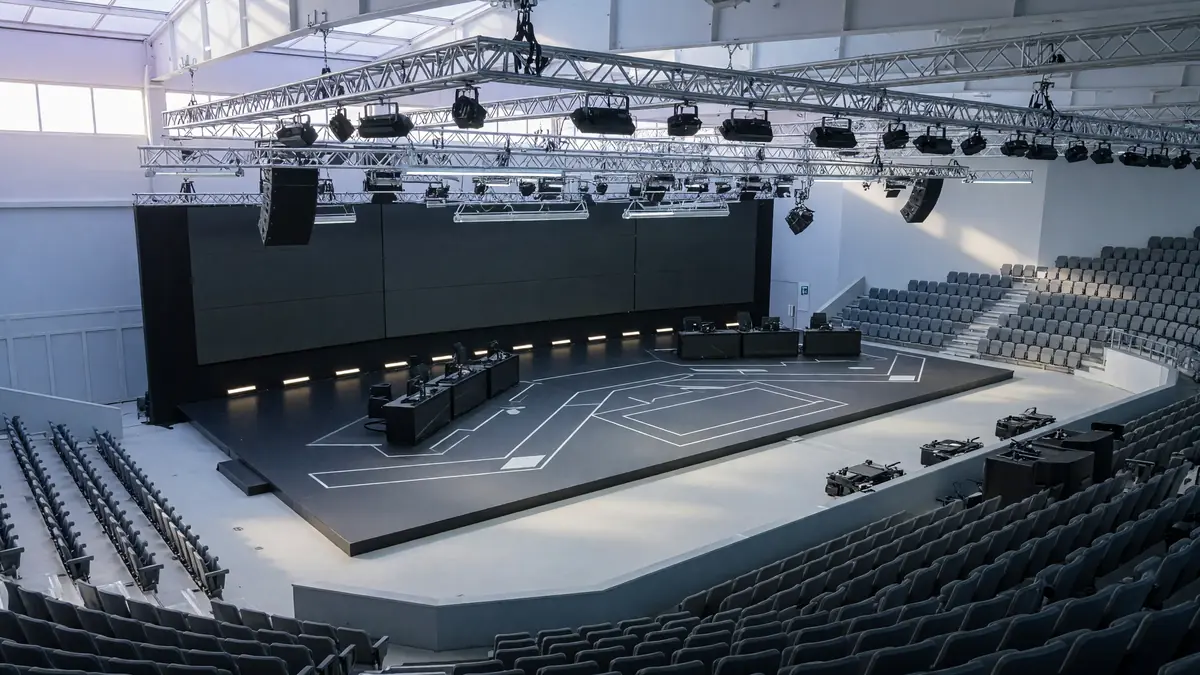
Event taxonomy
LAN majors, online regionals, publisher cups, and third-party circuits need different evidence bars.
Stage machine
List every stage with series length defaults before naming favorites.
Qualification paths
Invite, open qual, circuit points — label the seat type.
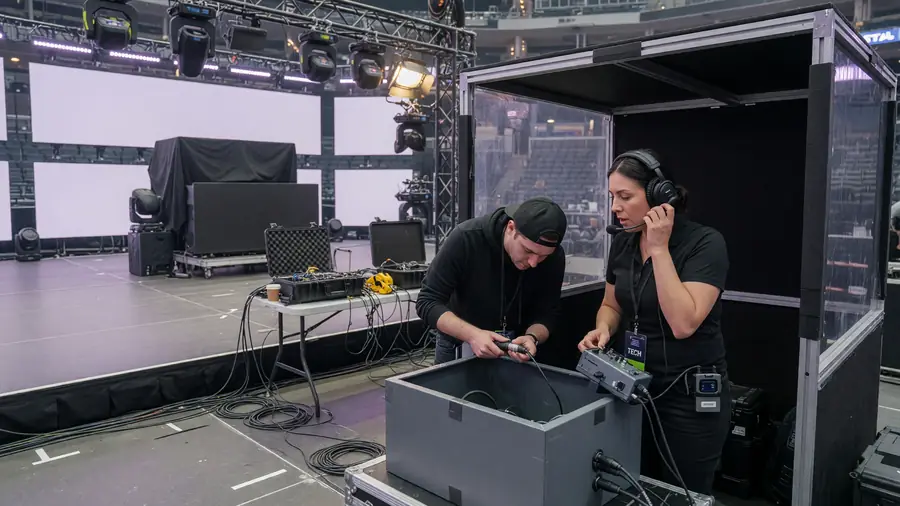
Floor reality check
Onsite photos tell you ops readiness; they still do not confirm a bracket seat. Pair floor context with handbook text.
Groups → playoffs transition
Format comparison
| Format | Pressure curve | What to preview | Common mistake |
|---|---|---|---|
| Swiss | Gradual | Record paths & tiebreakers | Treating round 1 like a final |
| Round robin groups | Mid-stage spikes | Intra-group density | Ignoring remaining strength of schedule |
| Single elim | Immediate | Veto discipline | Overfitting one map sample |
| Double elim | Asymmetric | Reset & fatigue | Forgetting losers’ bracket path length |

Trophy optics vs evidence
Ceremony imagery is atmosphere. Championship claims still need the match desk’s confirmed final.
Checklist before trusting a bracket graphic
Find the handbook
Series length, tiebreakers, and reset language beat Instagram crops.
Match the stage name
If the graphic says quarterfinal but the TO is still in Swiss, hold the story.
Check participant status
Pending visas, replacements, or unresolved quals stay labeled.
Date the file
Undated brackets are decorative.
Calendar hygiene
Clutch would rather leave a week sparse than scrape mirror sites for start times. When multiple regions post overlapping windows, we tag region explicitly and link the match desk methodology.
Org cups vs publisher cups
Publisher events often ship clearer patch locks and observer tools. Org-led cups can move faster but may lag handbook detail — adjust confidence, not enthusiasm.
Extended tournament desk notes
Tournament pages fail when they chase seed graphics faster than handbook language. Clutch keeps a deliberate lag: we would rather be hours late with a confirmed stage machine than minutes early with a decorative bracket that collapses under the first replacement announcement.
Readers arriving from social feeds often carry a single image of an eight-team tree. Real events mix open qualifiers, last-chance brackets, invitation seats, and circuit-point locks. Those seat types change how you should interpret a team’s presence. An invite is not the same achievement story as a multi-week open gauntlet, and our copy should not flatten them.
Series length defaults are part of the format, not trivia. A BO1 opening day produces different variance than a BO3 Swiss where records stabilize. When finals can reset, fatigue and veto discipline become first-class preview topics. None of that requires inventing a favorite; it requires naming the machine.
Online and LAN events also diverge in ops risk. Online days stack server region, client stability, and admin pause culture. LAN days add booth hardware, audience noise, and travel load. Coverage that pretends those environments are identical will mislead film-room conclusions later.
Prize pool communication is another honesty test. If a TO has not published a figure, we leave the field blank or mark it unconfirmed. Sponsor decks circulating without citations are atmosphere, not accounting. The same rule applies to viewer counts and peak concurrency screenshots.
Qualification calendars deserve hygiene. When two regions post overlapping windows, we tag region explicitly and refuse a false global clock. If an event slips, we date the slip. Zombie start times are a trust leak even when the rest of the page is careful.
Finally, tournament pages should deep-link outward: match methodology for windows, teams for participant verification, games for patch locks, guides for bracket literacy. A dossier that cannot leave its own URL is a brochure, not a desk.
Handbook first
Pull series length, tiebreakers, and reset language before social crops.
Seat typology
Invite, open-qual, and circuit seats get different narrative weight.
Environment tags
Online vs LAN changes which risks belong in the preview.
Empty fields
Blank prize or seed rows beat decorative fiction.
Slip protocol
Date schedule changes; do not leave zombie clocks.
Outbound links
Every event skeleton should reach matches, teams, and games desks.
| Stage question | Why it matters | Honest empty state |
|---|---|---|
| What advances a team? | Defines cut-line drama | Wins needed: unknown |
| Are ties broken how? | Stops fake elimination claims | Tiebreak: see handbook |
| Is there a reset final? | Changes fatigue math | Reset: unconfirmed |
| Who publishes vetoes? | Map pool stories need a source | Veto log: pending |
Related desks
Tournaments
Stage machines and format literacy.
Matches
Windows, previews, film room habits.
Teams
Identity panels and verification dates.
Players
Role atlas and source history.
Games
Patch boards and title desks.
Guides
Watch plans and tactical notebooks.
Dated announcements and corrections.
Responsible play
Age boundary and safer habits.
Operator handbook reading order
Start with the definitions section of a tournament handbook before the marketing one-pager. Definitions usually freeze series length language, forfeit rules, and protest windows. Marketing pages optimize for excitement and often omit tiebreakers that later decide a cut line.
Next, find the qualification appendix. Seat types should be explicit: direct invite, open qualifier chain, last-chance event, or circuit points. If the appendix is missing, treat participant graphics as provisional even when the art looks official.
Third, locate production and broadcast notes if present. They rarely change who advances, but they change how viewers should plan regions and VODs. A beautiful stage render is not a rights table.
Fourth, check patch lock language. Some events freeze a title version days before start; others ride the live patch. That single sentence changes whether yesterday’s scrim clip is relevant to tomorrow’s series.
Finally, write down open questions in plain language: unknown seed method, unpublished prize breakdown, unresolved replacement policy. Publishing the questions is more useful than filling them with guesswork.
Definitions first
Series length and forfeits beat hype copy.
Seat appendix
Invite vs open-qual changes the story weight.
Patch lock sentence
Decides whether old VODs still teach.
Open questions list
Blank fields with labels beat silent fiction.
Replacement policy
Stops roster panic mid-event.
Broadcast appendix
Region planning without false global clocks.
Worked example: reading a multi-stage major
Imagine an event that lists open qualifiers, a Swiss stage to a fixed win threshold, and a single-elimination playoff with a possible grand-final reset. The honest preview arc is not a single bracket poster. It is three machines with different variance profiles.
During opens, BO1 days can produce noise. During Swiss, record paths and tiebreakers dominate. During playoffs, veto discipline and series-length stamina dominate. Clutch pages should change section emphasis as the event actually advances rather than recycling the same road-to-title essay.
If a team arrives through last-chance rather than circuit dominance, say that. Underdog framing is fine when the seat type is real. Destiny framing without seat context is fanfiction.
Field desk checklist for editors
Before updating a tournament URL, confirm at least one primary link, an as-of timestamp, and whether any dependent match cards need delay banners. If the only change is a social rumor about a participant, leave the page stable and route the item to news as reported—not confirmed.
When two secondaries disagree, do not average them. Prefer the TO or publisher channel. If both secondaries beat the TO to a claim, keep the reported label until primary catch-up arrives.
Tournament FAQs
Off-desk note · 21 Aug 2026
Dated Test cricket read filed outside the esports competition scope: — a slip-cordon milestone noted here only as a contextual cross-reference, not as esports tournament coverage.
What is a stage machine?
The ordered set of formats an event uses — opens, Swiss or groups, playoffs, finals — including series length defaults.
Why won’t Clutch post a full live bracket by default?
Because seeds and participants churn. We publish geometry and fill seats only from primary sources.
How do online and LAN events differ in our writeups?
LAN notes add travel, booth, and onsite ops variables; online notes stress server region and schedule density.
What is qualification hygiene?
Tracking whether a slot is invited, open-qual earned, or circuit-point awarded — each with different confidence.
Do prize pool graphics count as sources?
Only if the TO or publisher issues them. Fan edits and sponsor decks without citations do not.
How should readers compare two majors?
Compare stage machines, series length, and qualification paths before storytelling about destiny.
Where do team pages link from an event?
From participant panels once verification dates exist — not from rumor lists.
What is a format glossary for?
Shared language so BO3 Swiss and double-elim finals are not blurred into one word: bracket.
Can regional cups use the same template?
Yes. The skeleton is shared; the fields and sources stay regional.
How are cancellations handled?
We date the cancellation source and strike dependent previews rather than leaving zombie start times.
After you understand the stage
If you continue into a disclosed first-party route, keep it separate from bracket literacy.
View disclosed play routePromoted route disclosure · not an outcome promise · 18+