Players desk
Player roles, dossiers, and source history
Profiles as duty plus evidence trail — not hype paragraphs. Role language stays title-specific.

Space creation
Measure impact with space and trade math, not highlight isolation.
Call ownership
Timeout usage and mid-round adapts show up on LAN audio when available.
Map pace
Tempo roles are not “carries” by default; define win condition per title.
Vision & saves
Track setup quality and save patterns over cosmetic assist totals.
Patch sensitivity
Pool breadth claims need patch as-of dates.
Transfer rumors
Unsigned moves stay off H1s and schema.
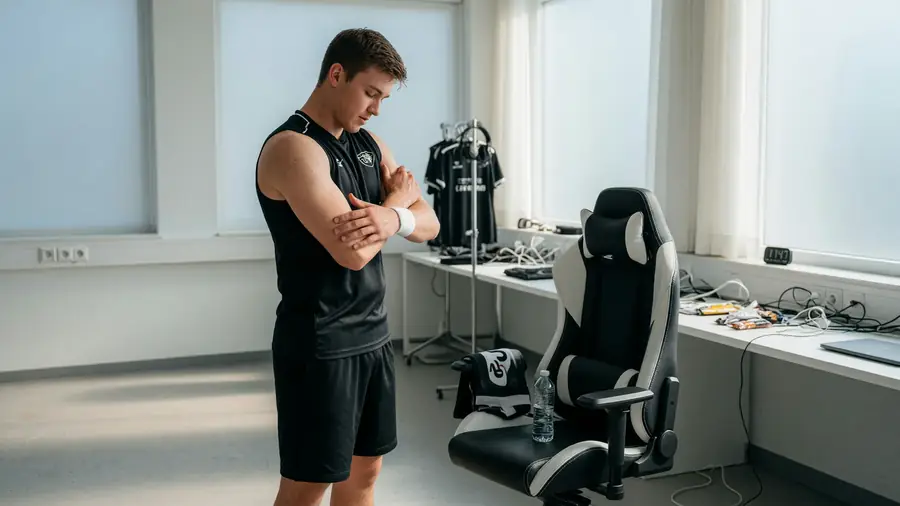
Warm-up frames
Use warm-up imagery for process stories; save evaluation for VOD timestamps.
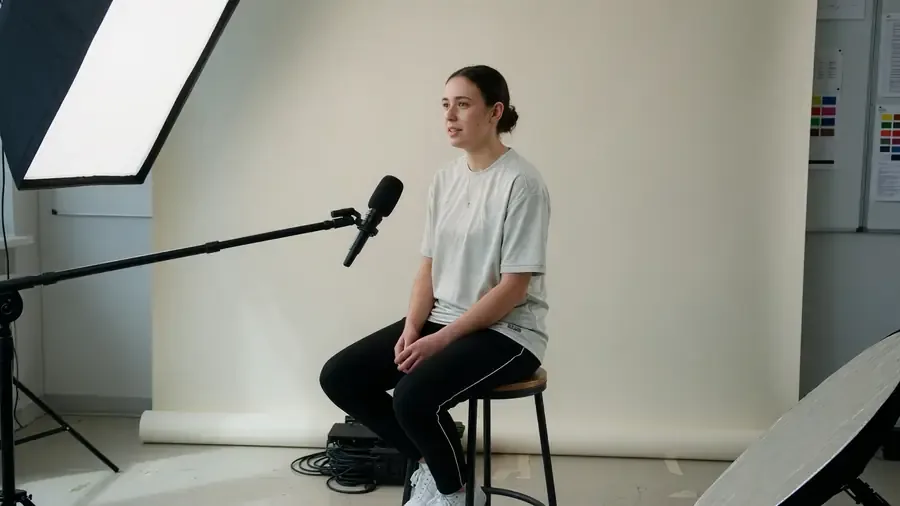
Interview use
Quotes require context. Clips without questions become fan fiction.

Mechanics vs decisions
Aim trainers do not equal IGL quality. Keep mechanical and tactical evidence separate.
Source history component
Timeline rows
Date · source type · claim · confidence. When a better source arrives, supersede — don’t stack contradictions quietly.
LAN vs online
Treat as different environments. Online samples can inform, LAN samples can contradict — both can be true in context.
Extended players desk notes
Player pages should read like duty dossiers. The first question is what job the player is asked to do in a title’s competitive ruleset. Entry space creation in a tactical shooter is not the same craft as mid-lane tempo control in a MOBA, and borrowing language across titles creates false confidence.
Mechanical excellence and decision quality separate cleanly in film room work. Aim trainers and highlight reels can support a mechanics paragraph. IGL evaluation needs timeouts, mid-round adapts, and how a team responds after a lost round. Support evaluation needs setup quality and save patterns. Mixing those evidence types produces vibes, not dossiers.
LAN and online samples can disagree without either being fake. Online play may show raw mechanics; LAN may reveal information discipline under crowd and booth constraints. Clutch labels environment when making comparative claims and refuses universal ratings invented for schema markup.
Transfer rumor policy is simple: unsigned moves stay out of H1s, titles, and structured data. Social screenshots can start reporting; they do not finish it. When a primary org or player post arrives, the as-of date updates and the old rumor framing is retired, not quietly rewritten as if it were always confirmed.
Source history components keep arguments inspectable. Each major claim should be reconstructible as date, source type, claim text, and confidence. When a better source supersedes a weaker one, we replace rather than stack contradictions for engagement.
Duty-first profiles
Job in the ruleset before personality essays.
Split evidence types
Mechanics ≠ decision quality.
Environment labels
LAN and online are different labs.
Rumor hygiene
No unsigned H1s ever.
Supersede, don’t stack
Better sources retire weaker claims.
Patch-dated pools
Agent/champ pools need as-of stamps.
Related
Tournaments
Stage machines and format literacy.
Matches
Windows, previews, film room habits.
Teams
Identity panels and verification dates.
Players
Role atlas and source history.
Games
Patch boards and title desks.
Guides
Watch plans and tactical notebooks.
Dated announcements and corrections.
Responsible play
Age boundary and safer habits.
Writing duties without mythic bios
Start every profile with the job the ruleset asks the player to perform. In tactical shooters that may be entry timing, anchor hold quality, or IGL pace control. In MOBAs that may be vision creation, tempo mid control, or save patterns from support positions. Cross-wiring those vocabularies creates false expertise.
Mechanics paragraphs should cite types of evidence: demo timestamps, official highlight packages with context, or LAN VOD chapters. Decision paragraphs should cite mid-round adapts, timeout usage, and responses after lost rounds. If you cannot separate the two, you are writing a vibe piece—publish it as opinion with labels or do not publish it as a dossier.
Pool breadth claims must carry patch dates. A hero or agent pool from two patches ago can mislead a preview today. When pool evidence is thin, say thin.
Job first
Ruleset duty before personality.
Split evidence
Mechanics vs decisions.
Patch-dated pools
Old pools mislead.
Environment tags
LAN/online disagree sometimes.
Rumor fence
No unsigned H1 transfers.
Supersede claims
Better sources retire worse ones.
Source history as a readable component
Readers should be able to scan a timeline of major claims: date, source type, summary, confidence. When a primary org post replaces a week of speculation, the timeline should show the replacement rather than leaving both claims equally bold forever.
Interviews are primary for intent and feelings; they are not automatic proof of tactical systems. A player can believe a strategy is central while VODs show something else. Hold both carefully.
Player FAQs
What does the players desk refuse to invent?
Live scores, unverified rosters, prize pools, and patch numbers without a dated primary source.
How often are pages updated?
When primary sources move. Evergreen methodology stays stable; dated fields change with as-of stamps.
Can I trust social screenshots?
Not as standings. Social can trigger reporting, but confirmation needs publisher, TO, or team primary channels.
Where do viewing rights fit?
In the viewing matrix. We describe platform types and accessibility checks without guaranteeing your local rights.
Is there a mobile app requirement to read Clutch?
No. The site is the editorial surface. App and download pages explain official channels only.
How do affiliate routes appear?
As disclosed first-party paths separate from rankings. Editorial does not sell outcomes.
What age is this for?
18+. Competitive coverage is not underage wagering content.
How do I send a correction?
Use the contact page with the URL, the claim, and a primary source link.
Does players coverage drift into unrelated sports or casino modules?
No. Clutch stays on esports competition literacy.
Why are some tables partly empty?
Empty is honest. We show field labels so you know what to verify rather than filling fiction.