Games desk
Game hubs and patch-context reading
Title desks for competitive rules, ranked-versus-pro caution, and patch boards that keep publisher text apart from scrim lore.

VALORANT desk
Agent duties, exec timing, and pistol-round caution. Ranked ladders are not franchise leagues.
Counter-Strike 2 desk
Economy cycles, utility lineups as concepts, and demo-centric film room habits.
League of Legends desk
Draft pairs, objective stacking, and pace roles — always patch-dated.
Dota 2 desk
Objective map control and buyback-aware closing logic without fake priority lists.
Mobile Legends desk
Mobile viewing constraints, short-series pacing, and regional broadcast notes.
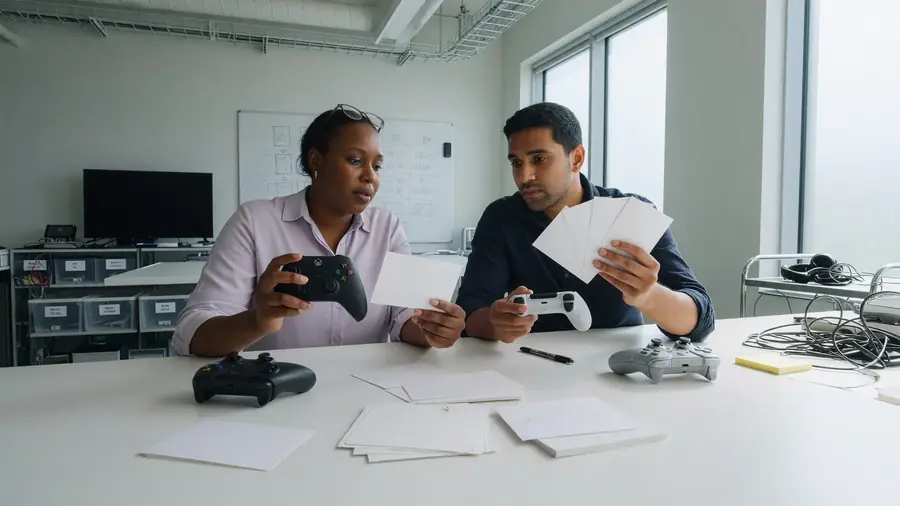
Meta lab posture
We study patterns after samples exist. Tier lists without dates are cosplay.
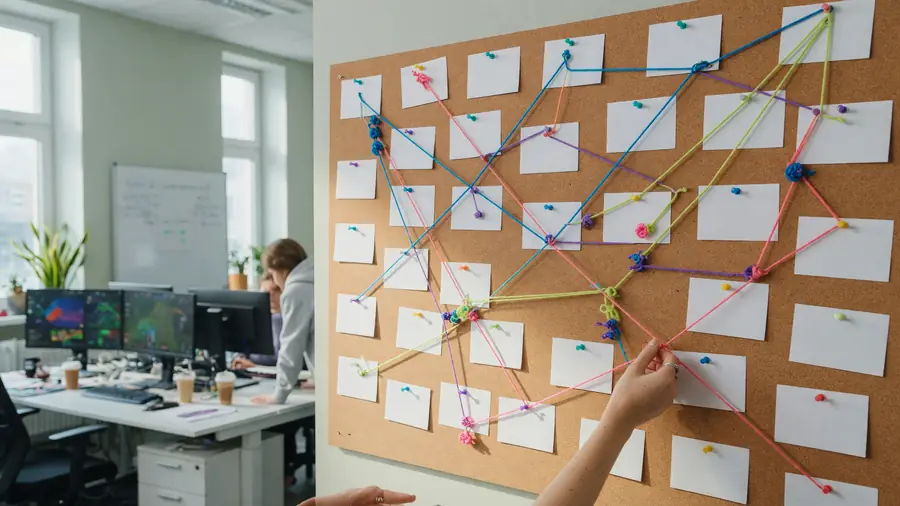
Patch board
Left column: note labels. Right column: adoption evidence. Default pro relevance to unknown.
Ranked ≠ pro
Pub stomps and pro series disagree constantly. Clutch marks which environment a clip comes from before generalizing.
Worksheet
| Patch field | Reader question | Desk default |
|---|---|---|
| Buff/nerf numbers | Did cost change too? | Quote publisher |
| System change | Does it alter series pace? | Flag for match previews |
| Map pool note | Is it TO-specific? | Don’t globalize |
| Pro sample size | How many series on patch? | Unknown until counted |
Extended games desk notes
Title hubs exist so patch and rules context do not get smeared across unrelated sports metaphors. Each game desk explains ranked-versus-pro caution, objective or economy primers, and how to read publisher notes. None of them ship fake live tier lists as evergreen truth.
Patch boards use two columns on purpose. The left captures what the publisher changed: buffs, nerfs, system shifts, quality-of-life. The right captures adoption evidence from pro series once samples exist. Defaulting pro relevance to unknown is not indecision; it is refusing to launder scrim chatter as meta law.
Map pools and ban lists are often tournament-operator specific. Globalizing a single event’s veto pattern into a universal truth is a common failure mode. Clutch keeps TO-specific notes attached to events and only generalizes after repeated samples across comparable stages.
Mobile titles add viewing constraints: bitrate toggles, smaller observer packages, and different series lengths. Those are first-class accessibility topics on the viewing matrix, not afterthoughts. Likewise, client performance issues during a patch week belong in match ops language when official channels acknowledge them.
Title silos
Keep rules language native to the game.
Two-column patches
Notes versus adoption evidence.
TO-specific pools
Do not globalize one veto log.
Ranked caution
Pub samples need environment tags.
Mobile constraints
Accessibility is part of the desk.
Unknown default
No pro relevance without samples.
Related
Tournaments
Stage machines and format literacy.
Matches
Windows, previews, film room habits.
Teams
Identity panels and verification dates.
Players
Role atlas and source history.
Games
Patch boards and title desks.
Guides
Watch plans and tactical notebooks.
Dated announcements and corrections.
Responsible play
Age boundary and safer habits.
Title desk standards
Each title hub is a rules and patch literacy surface. It is not a live odds board and not a ranked grind blog. Ranked samples can illustrate mechanics, but pro adoption needs pro samples. Clutch repeats that caution because clip culture constantly collapses the two.
Economy and objective primers should stay conceptual enough to survive minor patches, with callouts when a system change invalidates them. If a patch rewrites an objective timer or economy rule, the primer gets an as-of banner.
Observer HUD literacy helps viewers. Knowing what the broadcast can and cannot show prevents overclaiming about hidden information. Guides can extend that lesson; the game desk should at least link it.
Ranked ≠ pro
Environment tags mandatory.
Conceptual primers
Survive small patches.
System-change banners
Invalidate old primers loudly.
TO map pools
Local, not universal, until repeated.
Two-column patches
Notes vs adoption.
Mobile constraints
Bitrate and UI scale matter.
How we handle patch week chaos
Patch week floods social channels with unfinished takes. Clutch slows down: publish the publisher summary labels first, mark pro relevance unknown, and only promote adoption notes after multiple series or a clear official showcase. Speed is not a virtue when it launders confusion.
If official servers are unstable and the publisher acknowledges it, match ops language can mention instability without turning the game hub into a status page we cannot maintain minute-by-minute.
Games FAQs
What does the games desk refuse to invent?
Live scores, unverified rosters, prize pools, and patch numbers without a dated primary source.
How often are pages updated?
When primary sources move. Evergreen methodology stays stable; dated fields change with as-of stamps.
Can I trust social screenshots?
Not as standings. Social can trigger reporting, but confirmation needs publisher, TO, or team primary channels.
Where do viewing rights fit?
In the viewing matrix. We describe platform types and accessibility checks without guaranteeing your local rights.
Is there a mobile app requirement to read Clutch?
No. The site is the editorial surface. App and download pages explain official channels only.
How do affiliate routes appear?
As disclosed first-party paths separate from rankings. Editorial does not sell outcomes.
What age is this for?
18+. Competitive coverage is not underage wagering content.
How do I send a correction?
Use the contact page with the URL, the claim, and a primary source link.
Does games coverage drift into unrelated sports or casino modules?
No. Clutch stays on esports competition literacy.
Why are some tables partly empty?
Empty is honest. We show field labels so you know what to verify rather than filling fiction.